field work

September 30, 2025

Ohio Stream Assessment Method Review

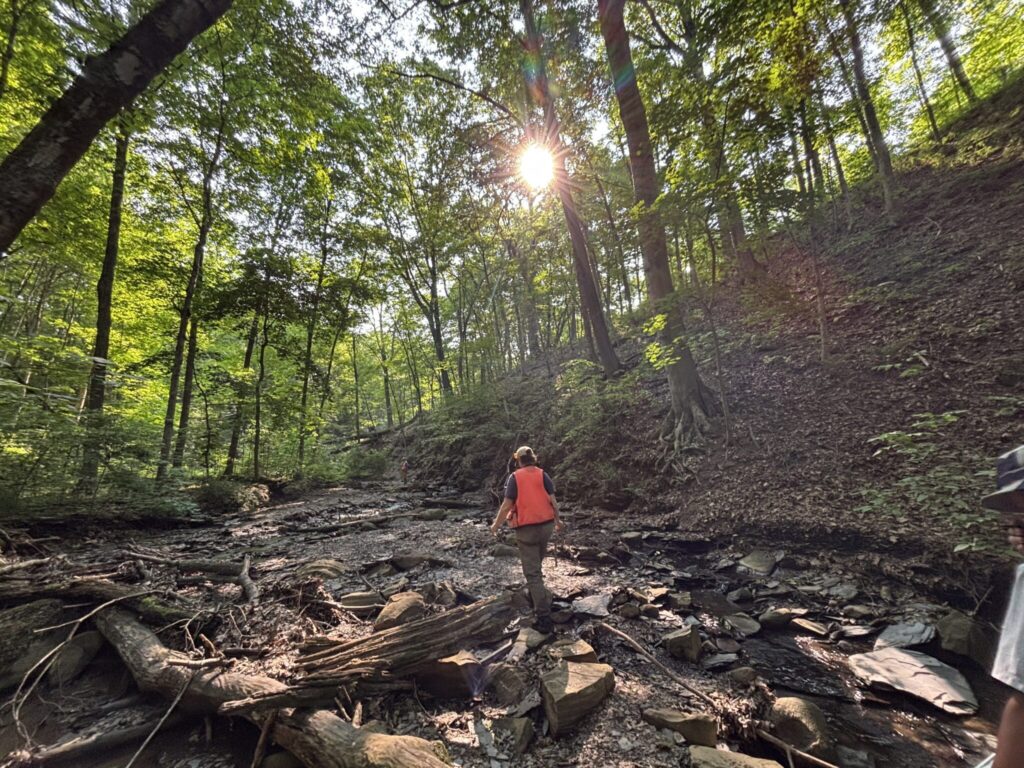
This summer MAD, in partnership with Ecosystem Planning & Restoration (EPR), and the Ohio EPA, has been working on surveying reference quality streams across Ohio’s six major ecoregions. The team has been evaluating metrics such as bank erosion, riffle and pool lengths and depths, substrate size, stream slope, floodplain connectivity and riparian vegetation quality to characterize key geomorphological and habitat features of the streams. This data in Ohio is being collected for the purpose of verifying regional curves as well as establishing and verifying reference curves in Ohio and applied to the Ohio Stream Assessment Method (OSAM). OSAM is intended to be used as the states’ updated stream functionality assessment as part of the effort for calculating mitigation credits and debits. Refinement of the OSAM […]
December 27, 2024

Hellbranch Meadows Controlled Burn

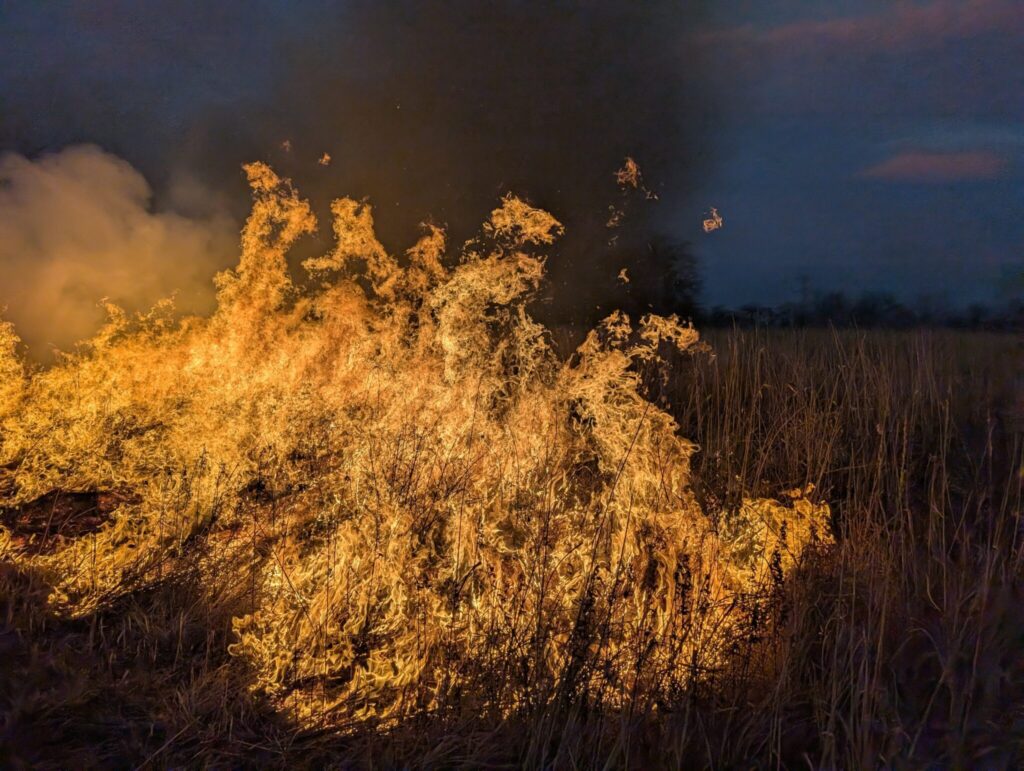
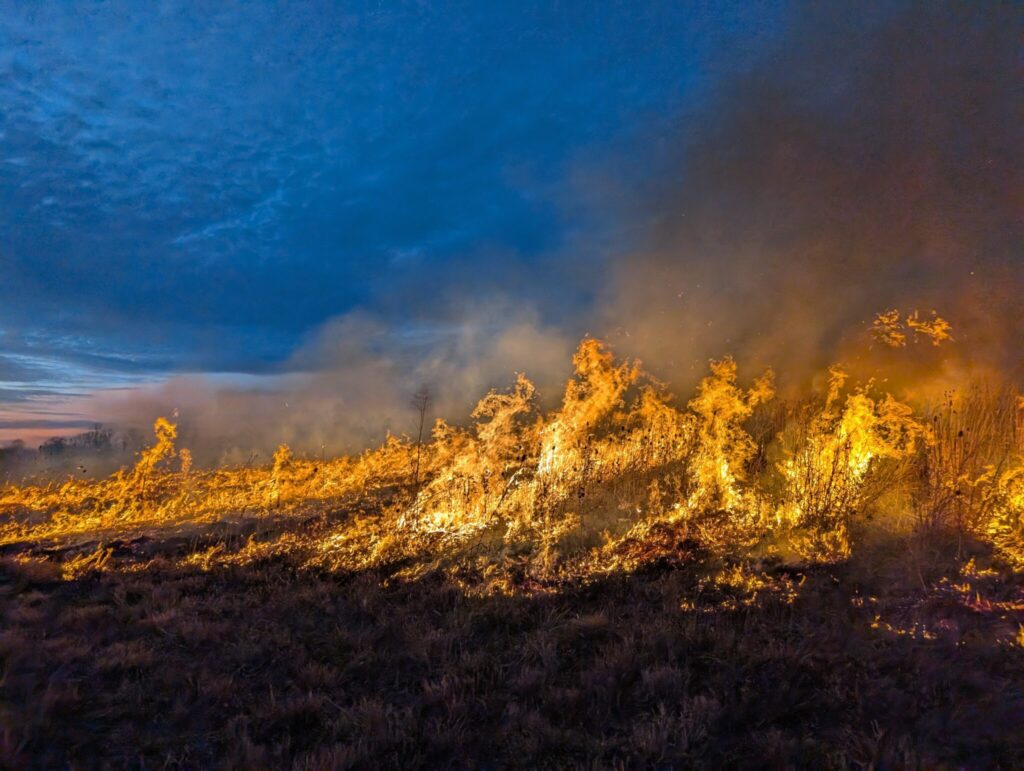
Earlier this month, MAD Scientist Associates had the opportunity to manage a controlled burn for the Franklin Soil and Water Conservation District at the Hellbranch Meadows site in Galloway, Ohio. This area is part of the historic Darby-Plains, which was managed through fire and other human intervention to keep an open prairie-savannah habitat versus forest. This was beneficial for grazing animals and diversity of plant types and communities.  This site took expert level planning to sustain the fire and keep it going in the right direction. Our team, led by Alexys Nolan and Cody Wright, worked the burn for nearly six hours. The footage of the burn at twilight is truly remarkable. We look forward to seeing how this area comes back to life next […]
February 27, 2024

Invasive Species Awareness Week- Callery Pear

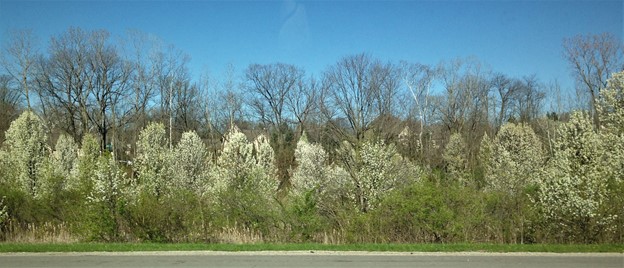
By: Cody Wright March 1, 2022 This iconic suburban tree has come to be known by many different trade names throughout the years: Bradford Pear, Cleveland Select, Metropolitan Pear. Yet they all derive from one species native to China—the Callery Pear (Pyrus calleryana). This NNIS was introduced to the U.S. in the mid-1900s as an ornamental street and yard tree and quickly gained popularity for its bright white, early spring blooms and colorful fall foliage. Through selective cultivation, multiple sterile cultivar types were created and mass produced for public purchase. According to Dr. Theresa Culley, Professor and Head of the Department of Biological Sciences at the University of Cincinnati, “It is not the cultivar itself that is invasive, per se, but rather the problem arises […]