Biodiversity

September 30, 2025

Ohio Stream Assessment Method Review

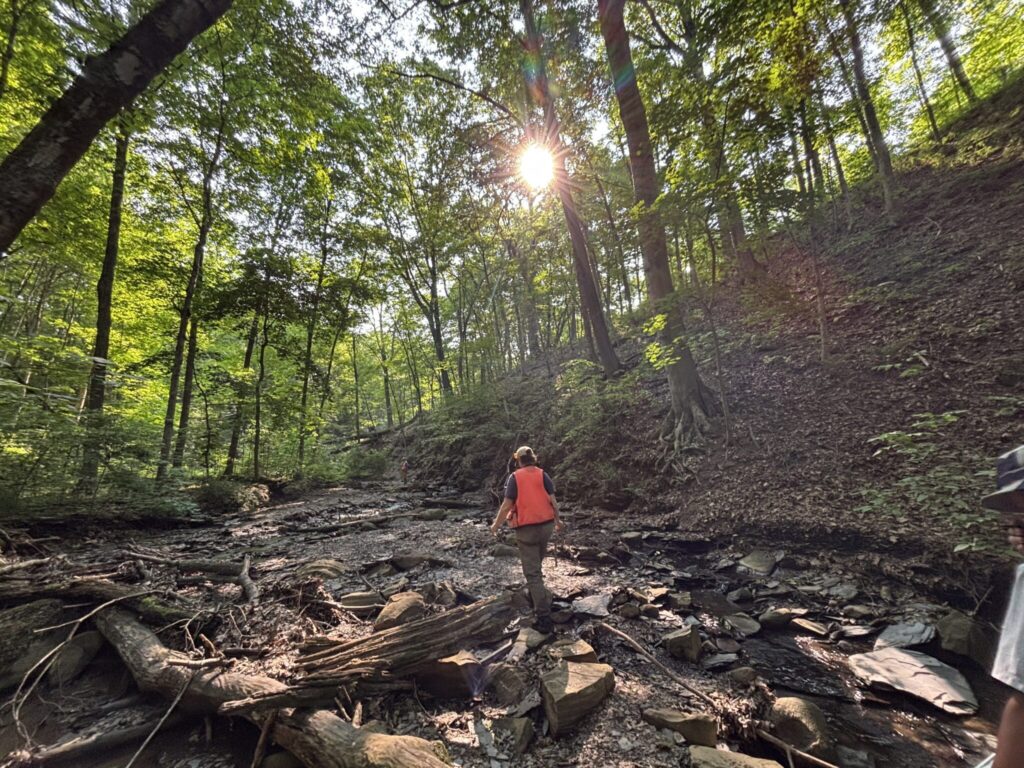
This summer MAD, in partnership with Ecosystem Planning & Restoration (EPR), and the Ohio EPA, has been working on surveying reference quality streams across Ohio’s six major ecoregions. The team has been evaluating metrics such as bank erosion, riffle and pool lengths and depths, substrate size, stream slope, floodplain connectivity and riparian vegetation quality to characterize key geomorphological and habitat features of the streams. This data in Ohio is being collected for the purpose of verifying regional curves as well as establishing and verifying reference curves in Ohio and applied to the Ohio Stream Assessment Method (OSAM). OSAM is intended to be used as the states’ updated stream functionality assessment as part of the effort for calculating mitigation credits and debits. Refinement of the OSAM […]
May 27, 2025

May the Mayflies Continue Flying

By Jenna Roller-Knapp Time flies when you’re a mayfly! Mayflies are one of oldest groups of insects, estimated to have evolved between 280-300 million years ago! As such, species in the Ephemeroptera family display many unique morphological differences and life stage strategies.  There are around 4,000 mayfly species globally and an estimated 660 mayfly species in North America (although DNA analysis suggest there may be hundreds more). It takes a skilled eye to identify species (adult or larval phase), trained hand to time the collection specimens, and an adept mind to arrange access to sampling sites. These all pose  challenges for tracking species diversity and changes over time. Interestingly, North Carolina may be a hotspot of mayfly diversity.  The mayfly lifecycle consists of an egg […]
December 27, 2024

Hellbranch Meadows Controlled Burn

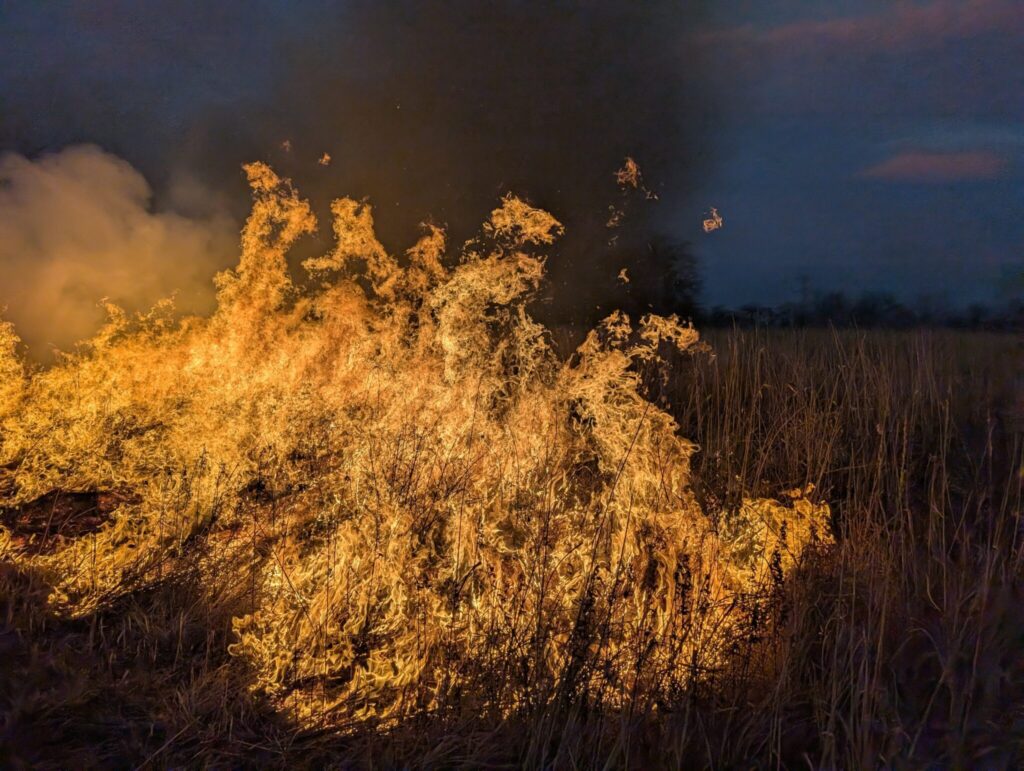
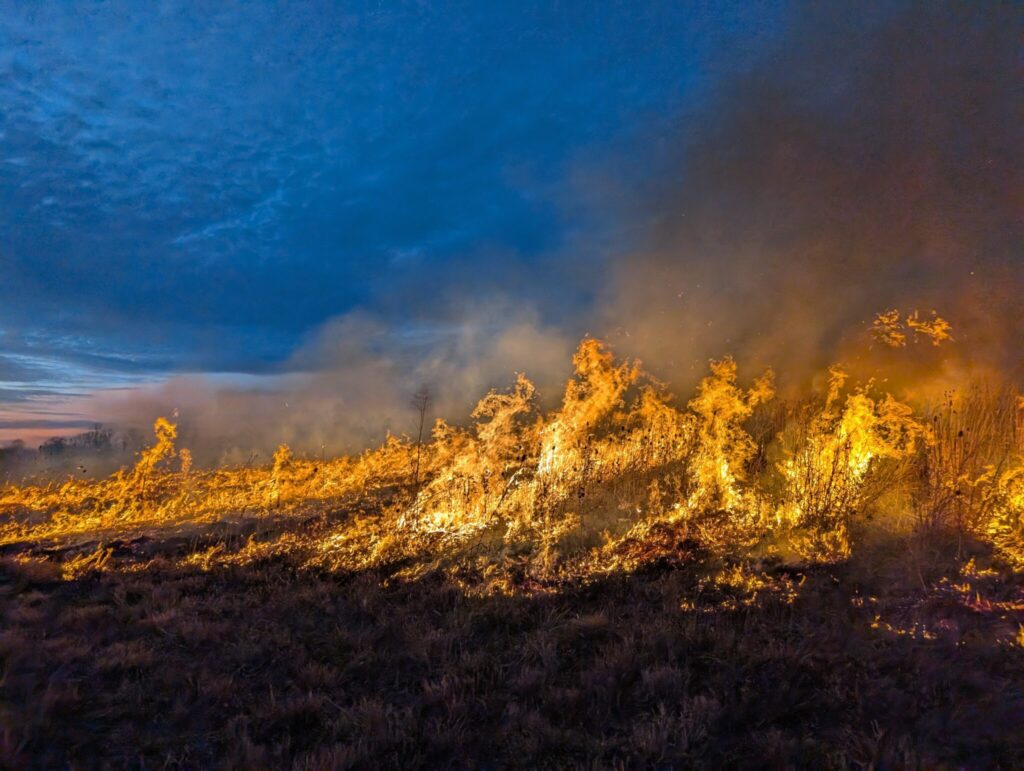
Earlier this month, MAD Scientist Associates had the opportunity to manage a controlled burn for the Franklin Soil and Water Conservation District at the Hellbranch Meadows site in Galloway, Ohio. This area is part of the historic Darby-Plains, which was managed through fire and other human intervention to keep an open prairie-savannah habitat versus forest. This was beneficial for grazing animals and diversity of plant types and communities.  This site took expert level planning to sustain the fire and keep it going in the right direction. Our team, led by Alexys Nolan and Cody Wright, worked the burn for nearly six hours. The footage of the burn at twilight is truly remarkable. We look forward to seeing how this area comes back to life next […]
December 18, 2024

Education Highlights of 2024

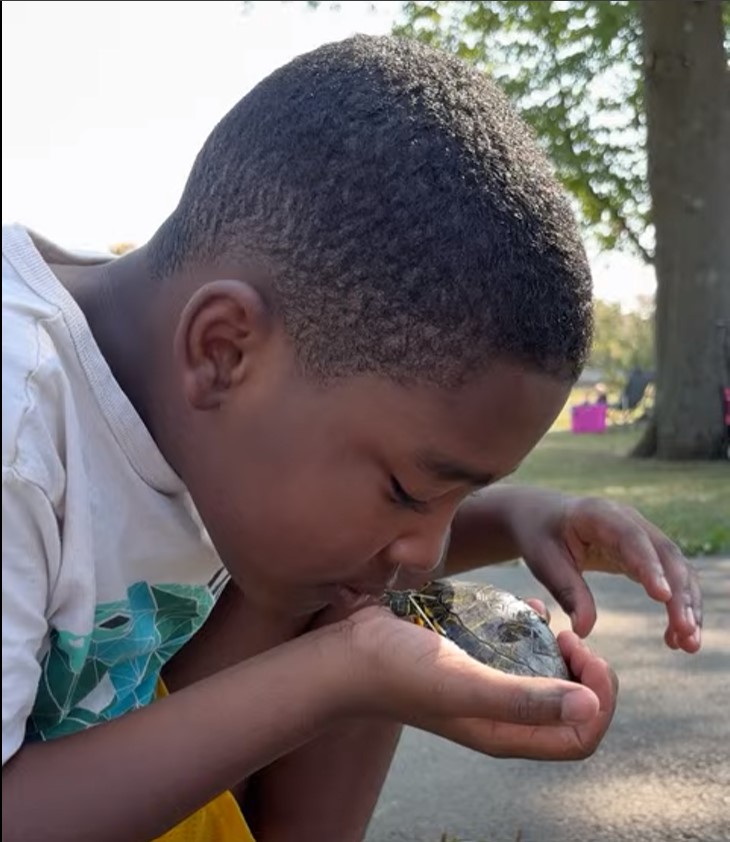
At MAD Scientist Associates, educating others on the value of wetlands, biodiversity, and other natural resources, is part of our mission. We consider ourselves lucky to have opportunities and partnerships with local municipalities, parks, and education-centered organizations. We couldn’t do programs like Frog Friday or Wetland Wednesdays without support from communities that value wetlands. Also, as a woman-owned business we want to highlight other women working in our field, and have started hosting Women in Science events. Since 2023, we’ve had over 20 professionals from around the state participate as panelists. Our hope is for students and community members will have exposure to careers in ecology and environmental science, and build a network of women scientists across the state. Whether it’s a tabled vendor space […]
April 22, 2024

Celebrating the Canada Goose- And Politely Asking it to Move Along

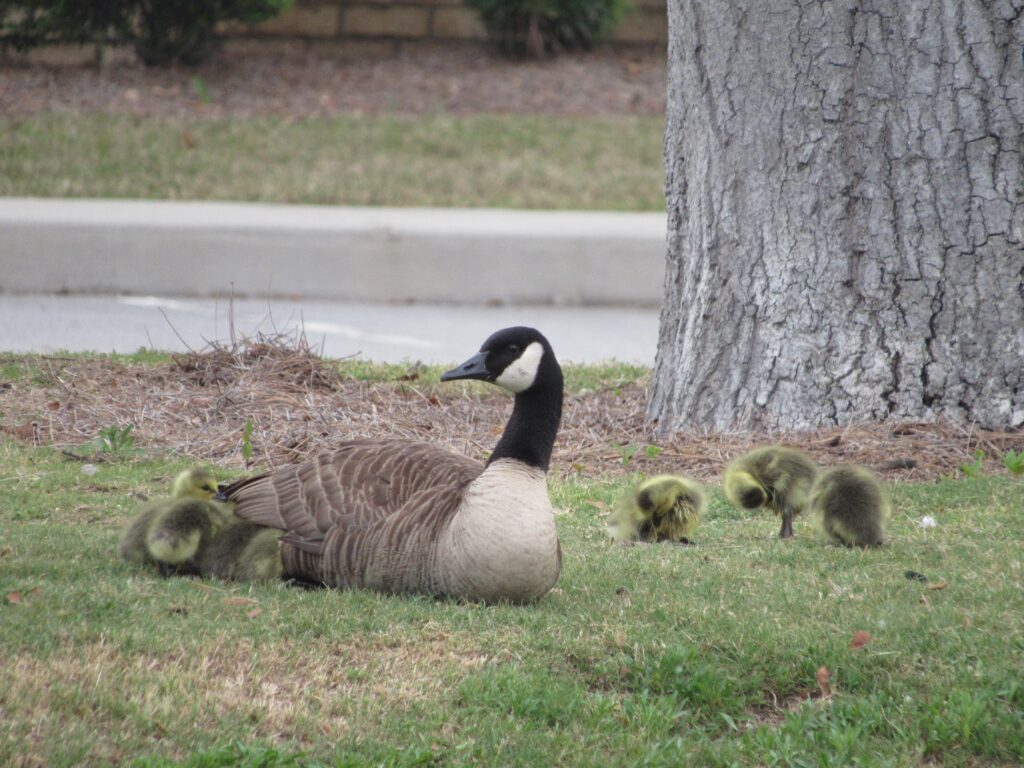
By: Jenny Adkins April 22, 2024 We’re guessing that at first glance, most people living in suburban American areas cringe at the sight of a Canada Goose (Branta canadensis), especially if you live near a golf course, pond, or detention basin. These large, handsome geese are actively managed as nuisance species due to their aggressive behavior and, how to put this, tremendous excrement output, which dirties sidewalks and adds nutrients to water resources. As grazers, they can also impact plant establishment. BUT, did you know that they were once on the verge of extinction? In the early 1900s, they were regularly hunted for sport and for food. Unregulated hunting accompanied with draining wetlands for farming, building, transportation routes, etc., caused their population to plummet. They […]
January 16, 2024

New Year, New You: Become the Explorer you Dreamed of as a Kid!

By: Jenny Adkins January 16, 2024 Something we love about our career is that, in the field of ecology (and all sciences for that matter), there’s always something to learn. When you think of discovery, it may conjure grandiose scenes of trekking deep into new environments, suffering through grueling weather, being bombarded by unfamiliar insects, etc., but we’re willing to bet that there are many things you can discover right outside your door…without the travel bill. Just the practice of looking upon the world with fresh eyes can be life-changing. Once you start looking, you’ll almost always see something new each time you peruse a new flower in bloom, the soil under a rock, the trunk of a tree, etc. The weather, season, time of […]